Experiment 7: Determination of Bleeding Time by Duke’s Method
AIM
To determine the bleeding time of my own blood sample by Duke’s method.Requirements
- Lancet- Denatured spirit or ethanol solution
- Cotton swab
- Filter paper
- Stopwatch
Method
Bleeding Time Determination by Duke MethodReferences
Practical handbook of Human Anatomy and Physiology by S R Kale. Nirali Prakashan, Eight Edition, 2002, Page number 45 to 46Introduction
The bleeding time is the time required for a small cut to stop bleeding. When a blood vessel is injured, blood comes out for some time and then it stops because of the formation of platelet plug. The duration of bleeding is the bleeding time. Normal value for bleeding time is 1 to 3 minutes. The bleeding time is mainly used in the diagnosis and treatment of haemorrhagic diseases. It is also useful before operations such as tonsillectomy. In such cases it may point out an abnormal bleeding process. The bleeding time may be performed by Duke method, Ivy method, or Macfarlane method.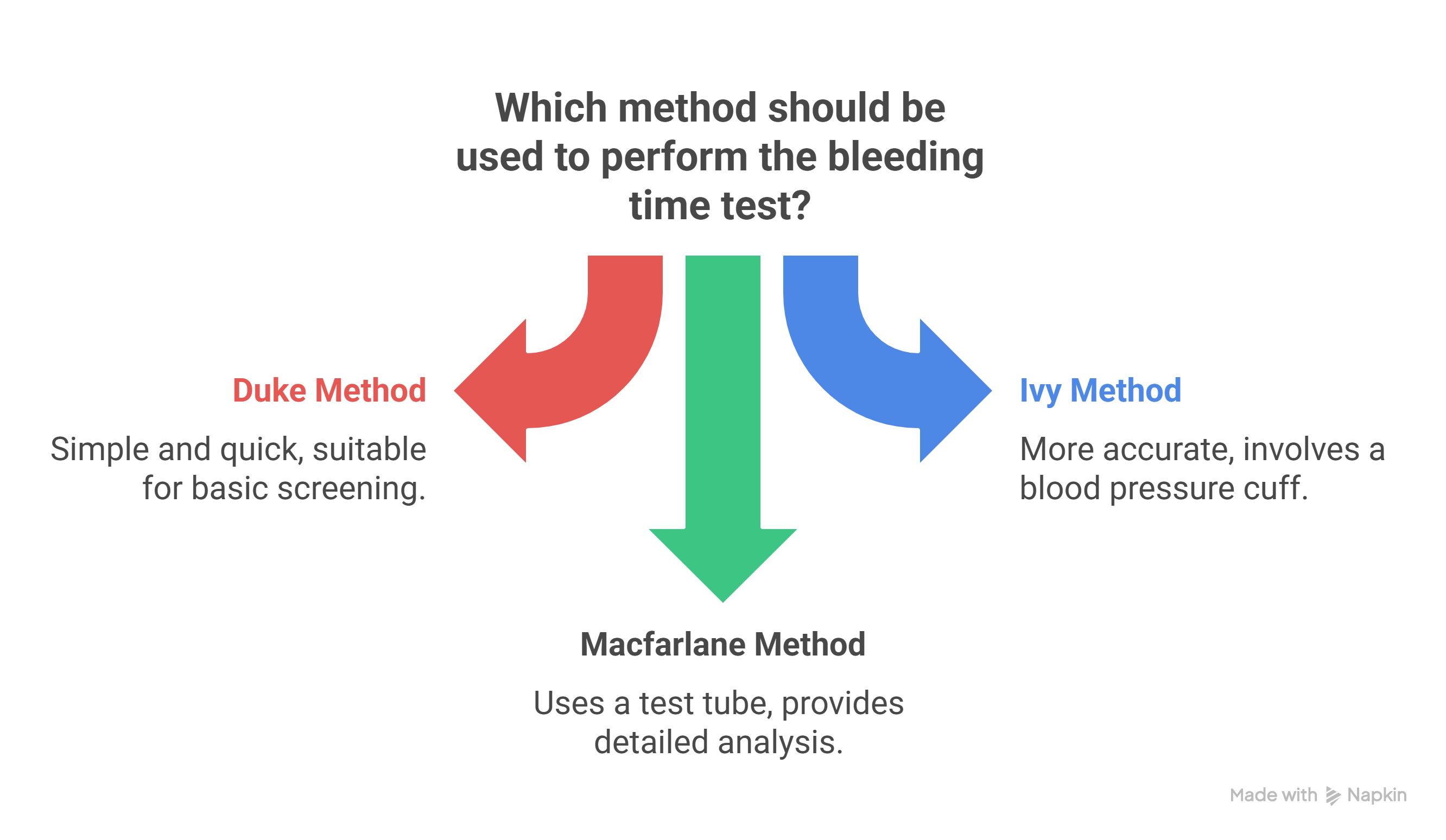
Principle
The principle behind the bleeding time test using Duke's method is to assess the primary hemostasis, which is the body's initial response to stop bleeding after an injury. This process involves vascular constriction and platelet plug formation. Duke's method specifically evaluates the effectiveness of platelet plug formation in small blood vessels.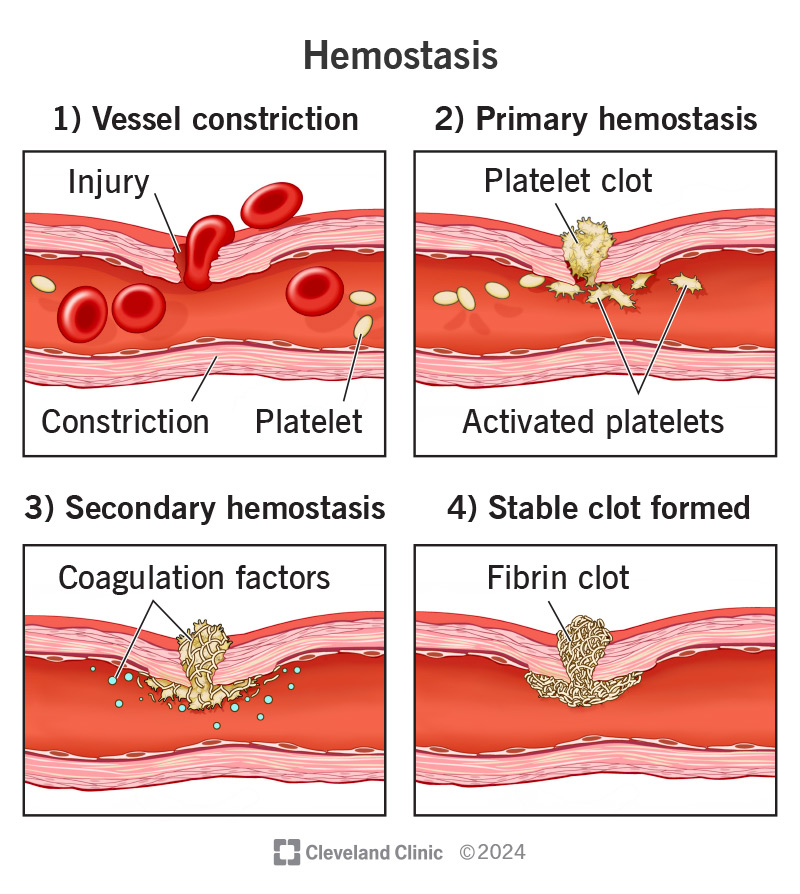
Procedure
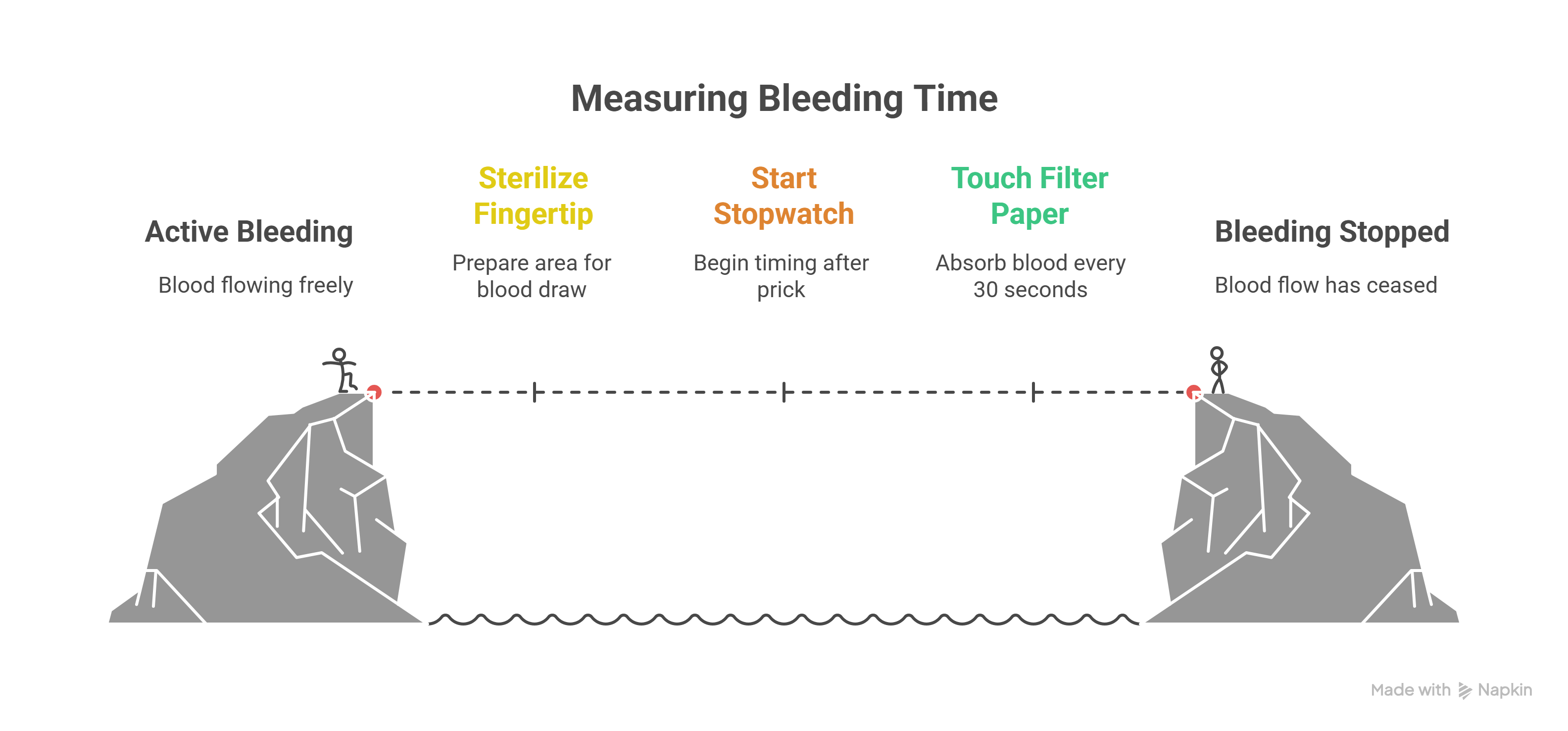
- Sterilize the fingertip with spirit and make a bold prick for free flow of blood
- Start the stopwatch immediately after pricking and touch the drop of blood gently on filter paper
- Repeat the touch every 30 seconds with fresh filter paper
- Continue until bleeding stops completely
- Stop the stopwatch and record the time